
How to Choose a Yellow Sapphire (Pukhraj):
10 Things to Check Before Buying
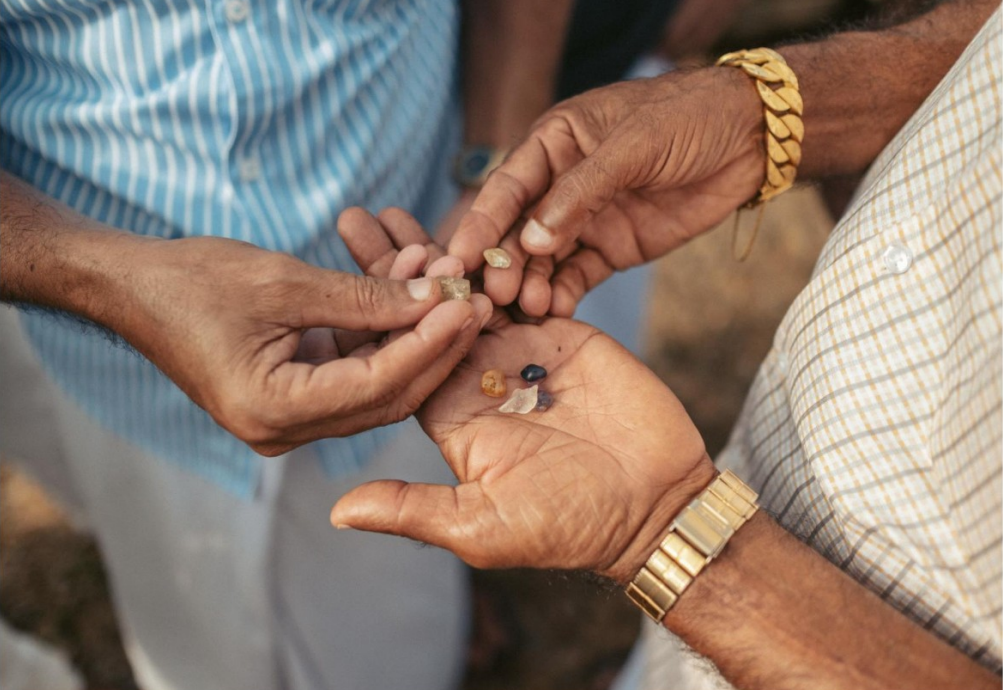
Buying a yellow sapphire is very different from simply looking at pictures of beautiful yellow gemstones online. Once you start comparing Pukhraj stones, you may notice that one is pale yellow, another is golden, another is almost lemon yellow, and another has a deeper, richer appearance. Prices can also vary dramatically between stones that appear similar at first glance. So how do you know which yellow sapphire is actually worth considering? The answer is not simply “choose the biggest one” or “choose the darkest yellow.” A good yellow sapphire should be evaluated as a complete gemstone. Its natural origin, colour, clarity, transparency, cut, treatment, carat weight, origin and documentation can all influence its desirability and value. If you are buying Pukhraj for jewellery, collecting, or traditional astrological purposes, understanding these factors can help you make a much more confident decision. Here are 10 important things to check before buying a yellow sapphire.
1. First, Find Out Whether the Stone Is Natural
This should be one of your first questions.
Ask the seller:
“Is this a natural yellow sapphire?”
Natural sapphire forms through geological processes inside the earth over very long periods of time. Synthetic sapphire is produced in a laboratory. Although synthetic sapphire has essentially the same chemical composition and crystal structure as natural sapphire, its origin is different. There are also yellow gemstone materials that may be sold as alternatives or simulants rather than sapphire. These differences can have a significant effect on value. If you are purchasing a valuable Pukhraj, don’t rely solely on a description such as “original” or “genuine.” Ask for clear information about the stone’s identity and, when appropriate, an independent gem laboratory report.
A simple question can prevent a major mistake:
Natural or synthetic?
Always find out before discussing price.
2. Look at the Colour — Not Just the Word “Yellow”
Yellow sapphire does not come in only one shade of yellow. Natural stones can display a fascinating range of colours, including:
- Golden yellow
- Soft yellow
- Lemon yellow
- Bright yellow
- Rich yellow
- Golden yellow
This variety is part of what makes coloured gemstones interesting. You should not assume that the darkest yellow sapphire is automatically the best one. Instead, look at the quality and attractiveness of the colour.
Is it pleasant to the eye?
Is it reasonably even throughout the stone?
Does the colour remain attractive when the stone is moved?
Does the gemstone look bright rather than dull?
These questions are often more useful than simply asking for the “best yellow.”
3. Understand Why Yellow Sapphires Have Different Colours
If you compare natural yellow sapphires from different sources, you may notice considerable variation. One reason is the presence of trace elements within the sapphire’s crystal structure. Iron, in particular, plays an important role in producing yellow coloration in sapphire. The geological conditions under which a sapphire forms can therefore influence its final appearance. This helps explain why natural Ceylon yellow sapphires can occur in different shades, from delicate yellow through brighter and richer golden tones. Rather than expecting every Ceylon Pukhraj to look identical, appreciate the fact that each natural gemstone has its own character. That individuality is one of the attractions of natural coloured gemstones.
4. Check Transparency Before Obsessing Over Clarity
People often ask:
“Is the sapphire flawless?”
But transparency can be just as important, if not more important, when judging the visual appeal of a yellow sapphire. A gemstone with attractive colour and good transparency can look lively and beautiful even if it contains minor natural inclusions. On the other hand, a stone with strong colour but poor transparency may appear dull.
So when you look at a yellow sapphire, ask yourself:
How easily does light seem to travel through the stone?
Can you see depth within it?
Does it look bright and lively?
This is one reason photographs alone can sometimes be misleading when buying gemstones online.
5. Don’t Automatically Reject a Natural Sapphire Because of Inclusions
Natural gemstones commonly contain internal characteristics. These may include tiny crystals, growth features, or other inclusions created during the gemstone’s formation. Their presence does not automatically mean the gemstone is inferior or fake. In fact, a trained gemmologist can sometimes use inclusions and other internal characteristics as part of the process of determining whether a sapphire is natural. However, inclusions can affect value when they significantly reduce transparency, beauty or durability.
The important question is therefore not simply:
“Does it have inclusions?”
Instead ask:
“Do the inclusions affect the gemstone’s appearance or durability?”
This is a much more sensible way to evaluate a natural sapphire.
6. Look Carefully at the Cut
A beautiful piece of rough sapphire still needs to be cut properly. The cut determines how the gemstone interacts with light. A well-proportioned yellow sapphire can appear:
- Brighter
- More lively
- More balanced
- More attractive
A poorly cut stone may appear dark or lifeless even when the rough material was potentially valuable. When comparing stones, look at them from the top and from different angles. If possible, place two sapphires next to each other. You may discover that a slightly smaller stone has a much more attractive appearance because it has better proportions and light performance.
Remember:
Carat tells you the weight.
Cut helps determine how beautifully the gemstone presents itself.
7. Ask About Heat Treatment
Treatment is one of the most important things to understand before buying a sapphire. Sapphires can undergo treatments designed to improve characteristics such as colour or clarity. Heat treatment is widely used in the gemstone industry. A heated sapphire is still sapphire, but treatment history can influence how the stone is evaluated and priced. Therefore, transparency is important.
Before purchasing, ask:
“Has this sapphire been heat treated?”
If a valuable stone is described as unheated, consider asking for independent laboratory documentation supporting that description. A trustworthy gemstone purchase should never depend on hiding treatment information.
8. Consider the Origin — But Don’t Buy the Country Instead of the Stone
Origin can be an interesting part of a sapphire’s story. Sapphires are found in several parts of the world, including Sri Lanka, Madagascar, Myanmar, Thailand, Australia and other locations. Sri Lanka has a particularly long and important history in the world of coloured gemstones. The country’s traditional name, Ceylon, remains widely associated with Sri Lankan gemstones in the international trade. Ceylon sapphires are known for producing a broad range of attractive colours, including yellow sapphires.
But there is an important point buyers should remember:
A country of origin does not automatically make every gemstone exceptional.
A beautiful Ceylon yellow sapphire should still be evaluated on its own characteristics. Colour, transparency, clarity, cut, treatment and overall appearance remain important. This is actually one of the reasons Ceylon yellow sapphires are interesting to explore: you can encounter stones with different personalities even when they come from the same island.
9. Ask for Independent Certification When Appropriate
For a higher-value yellow sapphire, an independent laboratory report can provide valuable information. Depending on the laboratory and the type of examination, a report may help establish characteristics such as:
- Natural or synthetic status
- Gemstone variety
- Treatment indications
- Carat weight
- Measurements
- In some cases, geographic origin
A laboratory report is not a substitute for understanding gemstone quality, but it can provide additional confidence. If the stone is expensive, independent documentation becomes particularly important.
Instead of asking only:
“Does the seller say it is natural?”
you can ask:
“Is there independent evidence supporting that description?”
That is a much stronger approach to gemstone buying.
10. Compare the Complete Gemstone — Not Just the Price Per Carat
This is perhaps the most important lesson for a first-time buyer. Imagine you have two yellow sapphires.
Stone A
- 5 carats
- Pale colour
- Lower transparency
- Average cut
- No independent documentation
Stone B
- 3.5 carats
- Attractive yellow colour
- Good transparency
- Well-proportioned cut
- Treatment information documented
Which is better?
You cannot answer simply by saying:
“The 5-carat stone is better.”
The smaller gemstone may provide a much more attractive combination of colour, transparency, cut and documentation. This is why comparing gemstones purely by carat weight or price per carat can lead to poor decisions.
Think about the whole stone.
About Ceylon Pukhraj
For over a decade, we have dedicated ourselves to bringing the finest Ceylon yellow sapphires from Sri Lanka’s legendary mines to seekers of prosperity, wisdom, and spiritual growth worldwide. Our journey began with a simple mission: to provide genuine, certified gemstones with complete transparency and integrity. In an industry often clouded by misrepresentation, we stand as a beacon of trust, offering only natural, untreated yellow sapphires backed by international certification.